honne, giri and now tomo-choco

21 02 2011

Valentine’s day has come and gone, but White day is now soon to come. “What’s White day?” I hear you say? Well, let Michele tell you about Valentine’s in Japan.

It’s weird. It’s not a celebration of love, but truly a mass commercial money-making holiday. You might think that’s true in your country too, but just wait till you hear about Japan. Firstly, the girls give the boys chocolate. Not the other way around. Girls are expected to give chocolate to not only their boyfriend/partner, but also to almost every male of their acquaintance. For the kids I teach, that means all their male classmates, club-mates and teachers, not including family and extras. And they will probably give chocolate to their female teachers as well. This kind of chocolate is called ‘giri-choco’ obligation chocolate. And then, they are also pushed (by the chocolate companies) to hand make the chocolates, or cookies, or cake, or whatever they decide on. The chocolate they give to their boyfriends is classed as ‘honne’ or kinda like their ‘real feelings’.

My giri-choco from this Valentine's day

I had one student who made an estimated 180 chocolates.

But, the boys (and teachers) don’t get away scott-free! One month later, on March 14 or White day, the boys are expected to return a gift. And although it doesn’t happen so much now, the return gift should be store bought and worth about 3 times what the girl gave them…. (So, in theory that student from before should get about 180 chocolates in return…)

However, White day is really badly timed for students. It’s around the end of the year, and certainly many private schools are on, or just about to start spring vacation around then. So the chocolate isn’t always returned. Recently the invention of ‘tomo-choco’ has become very very popular, as a way for girls to get an instant return. ‘Tomo-choco’ is friend chocolate, which can be given to your female friends, and you can receive ‘tomo-choco’ back on Valentine’s day. So the immediacy is very appealing.

This year I didn’t do all that well with Valentine’s (which frankly is a relief to me – having to give a return chocolate as an obligation is more of a pain than receiving anything), but I did get about 15 small baggies. And now with ‘tomo-choco’ it’s much more acceptable for me to give them a return pressie on Valentine’s day, rather than waiting until March, when I know I’m not actually going to be at school on White day. So thanks Meiji and Lotte and whoever came up with ‘tomo-choco’ for making life so much easier for me!

Even after VD I continued to get chocolate...

Even after VD I continued to get chocolate...

(but no thanks will be given for making girls obliged to make even more chocolate now…)


wot u been doing?

11 02 2011

So you might have noticed that yamaonna has changed a little recently. Since I’m leaving this job soon I’ve started some preparation for my next adventure – the 88 Temple Pilgrimage in Shikoku! Whist I’m taking my ‘walkabout’ I plan on blogging at iHenro (link above in the menu bar), but until then yamaonna will still be my primary blog. To be honest, after I leave Japan I’m not sure if yamaonna will be continuing, and that’s why I’ve moved my Hikes page to my main page. Anyway, we’ll see how it all works out.

Also talking about preparations for leaving, I spent most of my free time in January working through my ‘Tokyo to-do list’. Part of my list included quite a number of museums, galleries and zoos in Tokyo, so I decided to take advantage of the Grutt Pass, a pass that gives you access to over 70 facilities in Tokyo for 2000 yen. In a month I was able to go to 21 different places, basically for free 😀

Not surprisingly the things I enjoyed the most have been the science museums. I had been to the National Museum of Nature and Science and the National Museum of Emerging Science and Innovation previously, but with the pass I revisited the first and also went to the Science Museum and Risupia. I can say all of them are top quality science museums and very engaging for kids, but unfortunately there wasn’t much English, except for Risupia. Risupia is quite unique in that it makes maths fun! It was the biggest surprise out of everything I went to. I did not expect it to be so well done, but as it’s also a showcase for Panasonic I shouldn’t have been so surprised that everything was shiny.

My other surprise was in the Tokyo Zoos. I had always heard bad reviews of Ueno Zoo, saying it only had small concrete cages and seemed quite cruel to the animals, but it’s obvious that the zoo is undergoing renovations and what has been done looks really good. And they have quite a variety of animals. Tama Zoo was also very good, with some very interesting exhibits like a huge butterfly dome, a bus ride through the lion enclosure and koalas (^-^)v Lastly was Inokashira Zoo in Kichijoji park, which is great for kids with a petting area filled with guinea pigs and a squirrel enclosure that puts you right up close with the scary little things.

ready to attack!

ready to attack!

Other than museums and zoos, I also went to a few galleries. The Museum of Contemporary Art Tokyo is one that I always enjoy, although this time I was a little surprised at one display in the permanent exhibit (sorry, but a Penis Kaleidoscope is not my idea of art. really, I kid you not.). And the Domani exhibit at the National Art Centre was very enjoyable. I particularly like Kanae Toyama’s work, but unfortunately photos don’t do her work justice. The Crafts Gallery of the National Museum of Modern Art was displaying a very impressive selection of it’s doll collection, and it was amazing to see what can be done with just paper in some cases.

Kiyosumi Gardens

Kiyosumi Gardens

There are a couple of places I wanted to mention lastly. Overall my best day out was at Kiyosumi, where the above mentioned Museum of Contemporary Art is located, as well as a charming little history museum – the Fukugawa Edo Museum, which shows a mock-up of life in Kiyosumi approximately 170 years ago, and the Kiyosumi Gardens, which is small, but very pretty and well priced at only 150 yen. And finally, although not part of the Grutt Pass, but free and quite interesting was the Konica Minolta Plaza in Shinjuku. At the time they had an exhibition by George Steinmetz, who is an amazing photographer for National Geographic, and takes beautiful and amazing photos. Definitely worth looking at!

So, it’s been a busy January. And there still are a few more places I want to visit. Luckily I still have over a month left in Tokyo, although I know it will fly!


QI: quite interesting? or quite inciting?

7 02 2011

Recently the BBC announced that it cancelled plans to send Stephen Fry to Japan to make a documentary. This greatly saddens me, as I am a huge Fry fan, I love his work and I would be sure to enjoy not only one of my favourite personalities, but starring in a show about Japan. However I agree with the BBC. I think it’s a smart decision, because recently the BBC and Stephen Fry have come under fire in Japan over the following segment from a QI episode.

So, why has that got the BBC/Fry into trouble? Well, that’s something I’m still trying to figure out myself. Most native English speakers would probably agree that the show isn’t being insulting or offensive about or towards Yamaguchi, and is in fact being quite complementary about the Japanese rail system. On the surface the easy answer is that the majority of Japanese people don’t understand English and therefore don’t understand what’s going on in the program. If you can read Japanese, a lot of the comments are about the fact that the audience is laughing, and that this program is trivializing the horror of atomic weapons. So, in a way it’s true that the language barrier is one of the problems, but it also runs deeper than that.

The atomic bombs that were dropped on Hiroshima and Nagasaki are considered a taboo subject in Japan. It’s not that they are never talked about, I have been to both the Hiroshima Peace Memorial museum and the Nagasaki Atomic Bomb museum, and I can say they are the most sombre and reflective places you can visit in Japan. However in everyday life, the bombs and World War Two are just not talked about. And personally, as an Australian, it’s not a topic I would bring up with a Japanese person, although once I had a Japanese man apologise to me for the war, and another time a student was reading a book about a Harvard debate of wether the US should apologise for the bombs (incidentally, she’s 15 and doesn’t think the US should apologise).

The Japanese seem to feel a certain ownership of the bombs. The tragic loss of approximately 250,000 people within 5 years of the bombing and continued effects are a pretty damn good reason to be strong advocates against nuclear weapons. The impression you get when you go to the museums above is that this should never happen again.

And after a bit of thought, you would have to admit that certain parts of the segment are insensitive. For example, joking “the bomb landed on him, and it bounced off” and “it was the wrong(right) kind of bomb” certainly leave an opening for misunderstanding. To be honest, even I don’t understand some of the humour towards the end of the segment (which is probably more indicative of the decline in my English ability more than anything else). The BBC did issue an apology for ‘Japanese atomic bomb jokes’ and ‘any offence caused’ which was the appropriate thing to do.

However, none of the program was intended to be malicious, and the show did raise the level of awareness about Yamaguchi and other double bomb survivors, which most people would never have even known of in the first place. Yamaguchi and his fellows certainly were either very unlucky or lucky, depending on which way you choose to look at it. It was a topic fitting for a program whose name is an acronym of quite interesting, but maybe it’s not appropriate for a comedy show. I might not think that there was any harm in what QI did, but I will still try to understand why there was.


Yukimidaifuku Nama-choco Strawberry

4 02 2011

I’ve talked about Yukimidaifuku before, but now they have released a new seasonal flavour!

Nama-choco Strawberry!

Mochi filled with strawberry ice cream and a runny chocolate centre. And this isn’t your kiddy strawberry lollipop flavour. No, It’s almost an adult ice cream, not too sweet, and a little tart, but evened out by the sweetness of the chocolate centre.

Another win for Lotte!


a little bit of house keeping…

3 02 2011

So it was pointed out to me that I neglected to include some links on my last post (Lauren…).

Here’s a couple of videos that Lauren made of various things we did together whilst I was in Brisbane (Language warning kiddies!). The last one is my favourite 😀

You should subscribe to her on Youtube, she’s hilarious! (and I might be bias)

And as a little bit of self promotion, you can see more of my photos of Brisbane on my flickr site!


Brisbane Bites Take 2

31 01 2011

It’s been over a month since I returned to Japan after having a lovely few weeks in Brisbane for Christmas, and my lovely summer tan has finally disappeared under coats, scarfs and gloves. So, it’s about time I shared some photos of my Bris-Vegas adventures.

As always, a fair amount of my time was spent eating the things I don’t usually get to eat. Firstly Lauren took me to Guzman Y Gomez, a mexican (somewhat upscale) fast food restaurant chain from down south. It was beef nachos and margaritas all round!


And no trip to Brisbane is complete without a visit to the Pancake Manor on Charlotte St. I thought I could get through a regular stack, but my stomach had had too much pancake-y goodness 2/3rds through. Such a shame to waste good pancakes.

And of course there was the traditional (well, my family’s) Christmas day lunch of cold cuts of chicken and ham, smoked salmon, prawns and salad! The prawns were to die for!

Between eating I spent most of my time with family, meeting a couple of friends, looking at the sky (it’s sooooo pretty in Australia!) and even managed to go to the Gallery of Modern Art.

Unfortunately only a few weeks after I left, Brisbane and a lot of the state was flooded. Thankfully none of my friends or family were badly affected, but the long term effects are going to be difficult for everyone. In fact, financially it will affect the majority of Australians, so if you can spare, please donate to the flood appeal!


Shinjuku Gyoen Kiku and Roses 新宿御苑 菊とバラ

28 01 2011

Ogiku Chrysanthemums

Ogiku Chrysanthemums

Kiku 菊 (Chrysanthemum) are another symbol of Japan, particularly the Imperial Family, and the Imperial Family’s Chrysanthemum crest can found all over Japan on buildings, and even on the Japanese passport. Fittingly, the Imperial Family Household holds a Kiku Exhibition in Shinjuku Gyoen from November 1st to 15th.

The exhibition not only gives you a chance to see some beautiful and unusual varieties of Kiku and traditional ways to display them, but also coincides with autumn roses (‘bara’ バラ in Japanese) flowering in the French garden, and the start of leaves turning to their autumn colours all over the park. Entrance to the park is 200 yen, and it can be accessed from Shinjuku-gyoenmae Station (1-2 minute walk), Shinjuku-sanchome Station (3-5 minute walk), Shinjuku Station South Exit (10 minute walk), Sendagaya Station (5 minute walk), and Kokuritsu-kyogijo Station (5 minute walk).

Here are a few photos I took on November 13th.

A traditional Ozukuri bed of Kiku

A traditional Ozukuri bed of Kiku

Edo Variety of Kiku, which changes in appearance as it opens

Edo Variety of Kiku, which changes in appearance as it opens

Ichimonji variety of Kiku, from which the Imperial Family crest is inspired

Ichimonji variety of Kiku, from which the Imperial Family crest is inspired

Fallen autumn leaves

Fallen autumn leaves

Cream Delight Rose

Cream Delight Rose

More photos can be seen in my flickr set.


forced minimalism

24 01 2011

There is so much I’ve been meaning to blog about lately, but just not the time. As I mentioned a few months back, I’m on my final few months at this job, and consequently living in Japan. Which means I have to get rid of almost everything I managed to accumulate in the last 4 years and 3 months. ugh.

Which brings me to minimalism. I have had to (and still am) throw out so much stuff! So far I’ve managed to put together about 8 60L bags of rubbish to be collected, and just one of them was papers! Why oh why do we keep so much stuff?

And there are such hard decisions to make too. For example, should I keep my old computer or send it to PC heaven? So I’ve worked out a system of questions to ask myself about everything.

1) Will I use it in the next 3 months? If yes, keep for the moment, if no –> next question
2) Will I want it in Australia? If yes, send it home with my mother in February, if no –> bin.

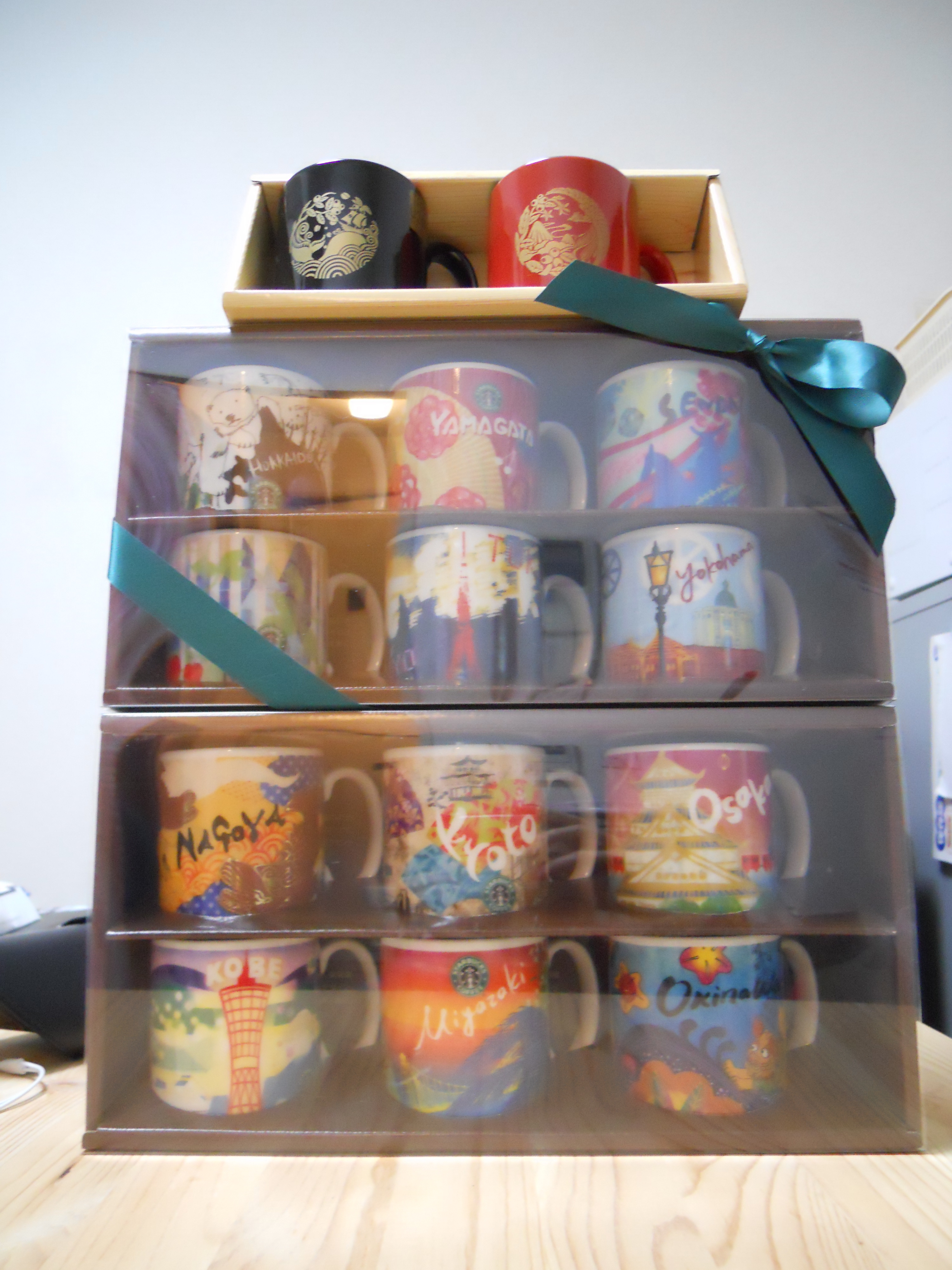
And then repeat the process another 1 or 2 times with everything. That way I’m double or triple checking the importance of the item in my life. And to be honest, I’m surprised that my pile of things to return to Australia isn’t that big. (But is mostly made up of Starbucks mugs…)

I think maybe these minimalists have a good idea… I don’t want to ever have to do this again. Talk about stressful! And next, I need to sell/give away my furniture and appliances…. *sigh*


Hike – Oze Marsh 尾瀬ケ原

21 01 2011
Oze Marsh and Mt Hiuchigatake

Oze Marsh and Mt Hiuchigatake

Quick Overview

This hike is probably one of the best within a few hours of Tokyo. Oze 尾瀬 is the largest marsh lands in Japan and is very popular during the summer season, but with good reason. It’s famous for skunk cabbages (ugly name, pretty flower) in late May, and autumn colours in late September. It has excellently maintained board walks, and plenty of accommodation within the National Park. A very easy hike, of which the marsh alone could be done as a day trip, but best done overnight so you can see the full beauty and variety of nature Oze 尾瀬 offers.

Distance: 23 km
Duration: 2 days (approx 9 to 10 hours in total)
Difficulty: easy
Season: May to early October
Starting point: Hatomachitoge 鳩待峠
Finishing point: Oshimizu 大清水

Maps

A full map of the hike can also be viewed at GPSies

Although this hike is the only major hike in the area, there might not be any maps available at the Oze Visitor Centres so I recommend you buy a map. The Mapple 山と高原地図 series number 14 map is of the region, and is available on Amazon.co.jp. Note, this map is in Japanese, but does include some English and furigana.

The Hike

Day One – Hatomachitoge 鳩待峠 to Miharashi 見晴

Start of the trail

Start of the trail

The bus will terminate in front of a Mountain hut in the car park at Hatomachitoge 鳩待峠. The trail head to Oze marsh 尾瀬ケ原 is signed and easy to find. You will be told to wipe your boots on a mat before walking through a sensor (for counting people) and entering the National Park. The first part of the hike is very easy, downhill on stairs and board walks for about an hour until you reach Yamanohana 山ノ鼻.

Yamanohana 山ノ鼻 has a Visitor Centre which is worth stopping at to pick up a map and up to date information about the weather and facilities in the national park. From here the marsh truly begins. Past the Visitor Centre there is a circular boarded trail on the left, which only takes about 40 minutes to walk if you want to. Or you can start heading further into the marsh by taking the boarded trail on the right.

Following the trail on the right you will see Mt Hiuchigatake 燧ヶ岳 in the distance. The trail will wind through the marshes, over creeks, and through small wooded areas on your way to Miharashi 見晴. Depending on the season, the marshes will be green with flowering white skunk cabbage (late May), yellow alpine lilies (late July), or turning golden with the surrounding mountains covered in an autumn patchwork of colours (late September/early October).

About 40 minutes after leaving Yamanohana 山ノ鼻 there is a branch in the trail, where you can either turn left or continue ahead. Both trails will lead you to the northern end of the marsh, although the trail on the left takes about 2 hours to reach Miharashi 見晴. The map above shows the trail if you continue ahead, and takes 80 minutes to reach Miharashi 見晴. Along both trails you will find benches and some alternative trails, but as long as you keep heading towards Mt Hiuchigatake 燧ヶ岳 you will reach the northern end of the marsh.

Miharashi 見晴 is a good place to stay overnight due to an abundance of mountain huts and fresh water. It is also the starting point of the hike to Lake Oze. All mountain huts offer dinners and breakfast as well as comfortable futons. Some even have baths, although you are unable to use soap. Check out the mountain hut section for details.

Miharashi Huts

Miharashi Huts

Day Two – Miharashi 見晴 to Oshimizu 大清水

Breakfast and check out is early in a mountain hut, so you should have plenty of time to make it to the Oshimizu 大清水 bus stop. From Miharashi 見晴 follow the trail up between the mountain huts. It won’t be very long until you reach a Y intersection. If you have the time and the will, you can head to the peak of Mt Hiuchigatake 燧ヶ岳 on the trail to the left (please look at the Mapple 山と高原地図 series number 14 map for more details), but if you just want to head straight to Lake Oze 尾瀬沼 take the trail on the right. It will take about 2 hours to Lake Oze 尾瀬沼, walking through a forested area and over a low pass.

At Lake Oze 尾瀬沼 you can either walk around the lake in the clockwise or anti-clockwise direction. The clockwise direction, although a longer distance, is easier and has better maintained board walks. The map above shows the clockwise direction trail.

Lake Oze

Lake Oze

From where you started walking alongside the lake, it will take about an hour to reach the Lake Oze Visitor Centre 尾瀬沼ビジターセンター. There are a few trails branching off, but just stick to the lake and follow the signs.

At Lake Oze Visitor Centre 尾瀬沼ビジターセンター there are more mountain huts, toilets and fresh water. There is also a small gift shop and café where you can stop to get a cup of coffee. Once you are finished there, continue walking on the trail between the mountain huts and head towards Sanpeishita 三平下. It will take about 20 minutes to reach, and it’s where you will leave the lake start back to the bus stop.

At Sanpeishita 三平下 head uphill until you reach Sanpei Pass 三平峠, the highest point on the hike. It should only take about 20 minutes, and from there it’s all downhill. In about 50 minutes you’ll reach the hut at Ichinose 一ノ瀬. From here the trail becomes a forestry road, and is a really easy trek downhill for an hour until you reach the huts, shops, toilets and bus stops at Oshimizu 大清水.

Mountain Huts

This information was current for the 2010 season. Please check the latest Mapple 山と高原地図 series number 14 for up to date phone numbers, or the websites listed.

Prices are a guide only and may vary, but usually include dinner and breakfast. All websites linked are only in Japanese.

Hatomachitoge 鳩待峠

Hatomachitoge Sansou 鳩待峠山荘

0278-58-7311

approx. 8500 yen

Yamanohana 山ノ鼻

Kokumin Shukusha Oze Lodge 国民宿舎尾瀬ロッジ

0278-58-4158

approx. 8500 yen

Shibutsu Sansou 至仏山荘

0278-58-7311

approx. 8500 yen

Yamanohana Goya 山ノ鼻小尾

0278-58-7411

approx. 8500 yen

Nakatashiro 中田代

Ryuuguu Goya 龍宮小屋

0278-58-7301

approx. 8500 yen

Yoshipporitashiro ヨシッ堀田代

Touden Goya 東電小屋

0278-58-7311

approx. 8500 yen

Akatashiro 赤田代

Onsen Goya 温泉小屋

0241-75-222

approx. 8500 yen

Motoyu Sansou 元湯山荘

0278-58-7311

approx. 8500 yen

Miharashi 見晴

Oze Goya 尾瀬小屋

090-8921-8342

0241-75-2225

approx. 8500 yen

Daini Chozo Goya 第二長蔵小屋

0278-58-7100

approx. 8000 yen

Harano Goya 原の小屋

090-8921-8314

0241-75-2038

approx. 8500 yen

Hiuchi Goya  燧小屋

090-1062-1395

0241-75-2059

approx. 8400 yen

Hinoemata Goya 桧枝岐小屋

090-3405-6460

0278-58-7050

approx. 8500 yen

Yashiro Goya 弥四郎小屋

090-1456-7500

0467-24-8040

approx. 8400 yen

Ozenuma Visitor Centre 尾瀬沼ビジターセンター

Ozenuma Hutte 尾瀬沼ヒュッテ

0241-75-2350

090-7064-4183

approx. 8500 yen

Chozo Goya 長蔵小屋

0278-58-7100

approx. 8000 yen

Sanpeishita 三平下

Ozenuma Sansou 尾瀬沼山荘

0278-58-7311

approx. 8500 yen

Oshimizu 大清水

Oshimizu Goya  大清水小屋

0278-58-7370

approx. 6825 yen

Monomi Goya 物見小屋

0278-58-7026

approx. 6825 yen

To and From

There are a number of different ways to reach Oze during the season.

By Bus
During the hiking season Kanetsu Kotsu 関越校通 runs buses from Shinjuku Station’s New South Exit 新宿駅新南出口 at around 7am and arrive at Tokura 戸倉 and Oshimizu 大清水 around 11am. You can do the hike in reverse from Oshimizu 大清水, or from Tokura 戸倉 you can change bus to Hatomachitoge 鳩待峠. The bus from Shinjuku 新宿 to Tokura 戸倉 or Oshimizu 大清水 costs 3,700 yen one way, and 7,000 yen return. The bus from Tokura 戸倉 to Hatomachitoge 鳩待峠 takes 40 minutes and costs 900 yen. The return bus leaves Oshimizu 大清水 for Shinjuku 新宿 about 3pm. See the Kanetsu Kotsu 関越校通 homepage (Japanese) for more information.

By Overnight Bus
Kanetsu Kotsu 関越校通 also runs the above buses overnight. They leave Shinjuku 新宿 around 10pm and arrive at Tokura 戸倉 or Oshimizu 大清水 around 3:30am. Note, the buses from Tokura 戸倉 to Hatomachitoge 鳩待峠 start running approximately at 4:40am. Costs are the same. See the Kanetsu Kotsu 関越校通 homepage (Japanese) for more information.

By Train and Bus
As always, the following routes are just recommendations. Please use Hyperdia or Jorudan’s Train Route Finder to find the most suitable route for you!

From Tokyo 東京 you can take the Shinkansen to Takasaki 高崎, and then change to the Joetsu Line 上越線 local train to Numata 沼田. By Shinkansen this takes just over an hour and a half, and 5,430 yen. You can also catch the regular train from Ueno 上野 on the Takasaki line 高崎線 to Takasaki 高崎, and change to the Joetsu Line 上越線 as described above. Using the regular train takes about 2 hours and a half and costs 2,520 yen.

From Numata Station 沼田駅 you have to catch a Kanetsu Kotsu 関越校通 bus to Tokura 戸倉, which takes about an hour and a half and costs 2,100 yen. From Tokura 戸倉 you then catch the same bus mentioned above to Hatomachitoge 鳩待峠. This leg takes 40 minutes and costs 900 yen. On the return from Oshimizu 大清水 you can catch the bus direct to Numata Station 沼田駅, with no need to change at Tokura 戸倉. The return leg takes an hour and 40 minutes and costs 2,200 yen.

Bus timetables are a little tricky to read, but here is the timetable for Numata 沼田 to Tokura 戸倉/Oshimizu 大清水, for Oshimizu 大清水 to Numata 沼田, and Tokura 戸倉 to Hatomachitoge 鳩待峠 (all in Japanese). Please make sure you can reach your bus stop in time to catch a bus home. If you are in doubt the Visitor Centres have the most up-to-date information and can help you with your planning.

By Overnight Train
Tobu Railways 東武鉄道 has an overnight train that runs from Asakusa 浅草 to Aizu Kougen Ozeguchi Station 会津高原尾瀬口駅 at least once a week during the season. The train leaves Asakusa 浅草 at 11:55PM and arrives at Aizu Kougen Ozeguchi Station 会津高原尾瀬口駅 at 3:18AM. From Aizu Kougen Ozeguchi Station 会津高原尾瀬口駅 you catch an Aizu bus 会津バス at 4:20AM and arrive at Numayamatoge 沼山峠 at 6:10AM. This hike will use a different trail, heading south to the Oze Lake Visitor Center 尾瀬沼ビジターセンター from Numayamatoge 沼山峠. Please look at the Mapple 山と高原地図 series number 14 map for the trail. The cost of the overnight train starts at 9,200 yen return, but there are a few options, like catching the return bus from either Oshimizu 大清水 or Hatomachitoge 鳩待峠 instead. The Tobu Railways 東武鉄道 homepage has more details (in Japanese).

Links

Oze National Park Homepage http://www.oze-fnd.or.jp/ This page also has a good English map

Kanetsu Kotsu 関越校通 http://www.kan-etsu.net/

Tobu Railways 東武鉄道 Oze Midnight Train http://www.tobu.co.jp/2355oze/plan_ozeyako.html

My Flickr photo set from Oze http://www.flickr.com/photos/michelelisa/sets/72157625063485259/

Map of hike on GPSies http://www.gpsies.com/map.do?fileId=jktcwsweidxosdjv

Useful Kanji

Aizu bus 会津バス
Aizu Kougen Ozeguchi Station 会津高原尾瀬口駅
Akatashiro 赤田代
Asakusa 浅草
Hatomachitoge 鳩待峠
Ichinose 一ノ瀬
Joetsu Line 上越線
Kanetsu Kotsu 関越校通
Lake Oze 尾瀬沼
Lake Oze Visitor Centre 尾瀬沼ビジターセンター
Miharashi 見晴
Mt Hiuchigatake 燧ヶ岳
Nakatashiro 中田代
Numata 沼田
Numata Station 沼田駅
Numayamatoge 沼山峠
Oshimizu 大清水
Oze 尾瀬
Oze Marsh 尾瀬ケ原
Sanpei Pass 三平峠
Sanpeishita 三平下
Shinjuku 新宿
Shinjuku Station’s New South Exit 新宿駅新南出口
Takasaki 高崎
Tobu Railways 東武鉄道
Tokura 戸倉
Tokyo 東京
Ueno上野
Yamanohana 山ノ鼻
Yoshipporitashiro ヨシッ堀田代



Kotoshi mo yoroshiku~

1 01 2011

I hope for your favour again in the coming year m(_ _)m

Happy New Year peeps! After more than a month of no updates, I just wanted to let you know that yamaonna will be back with regular posts shortly! Try not to pass out hyperventilating from excitement 😛

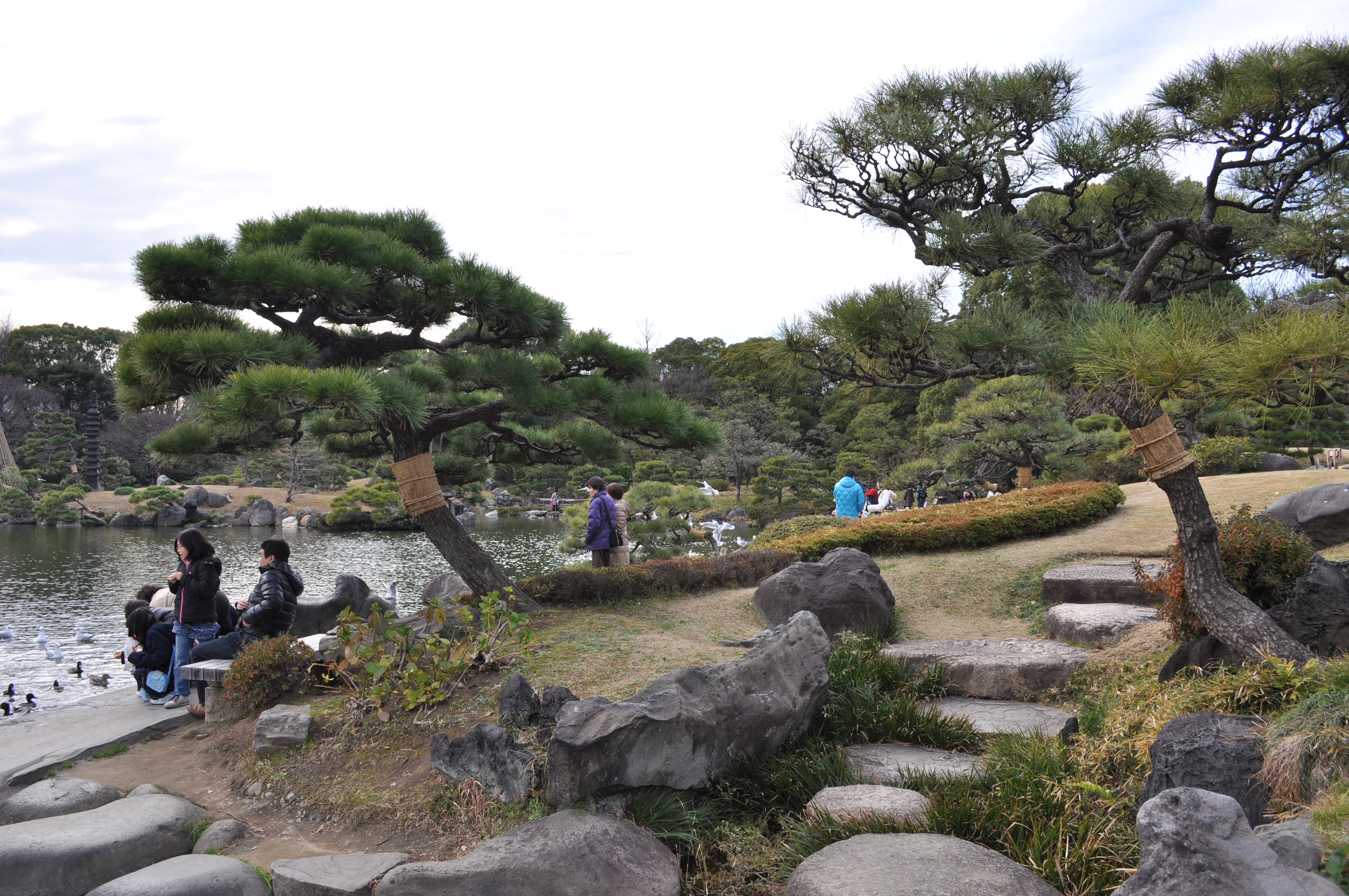
^photo taken from my parents place in Brisbane, aren’t the colours beautiful!